
How to Prevent Frozen Pipes: Easy DIY Winter Home Tips

When the forecast starts throwing around words like deep freeze, ice storm, or polar blast (like it has for so many of us this week), there’s one big fear that creeps in fast…
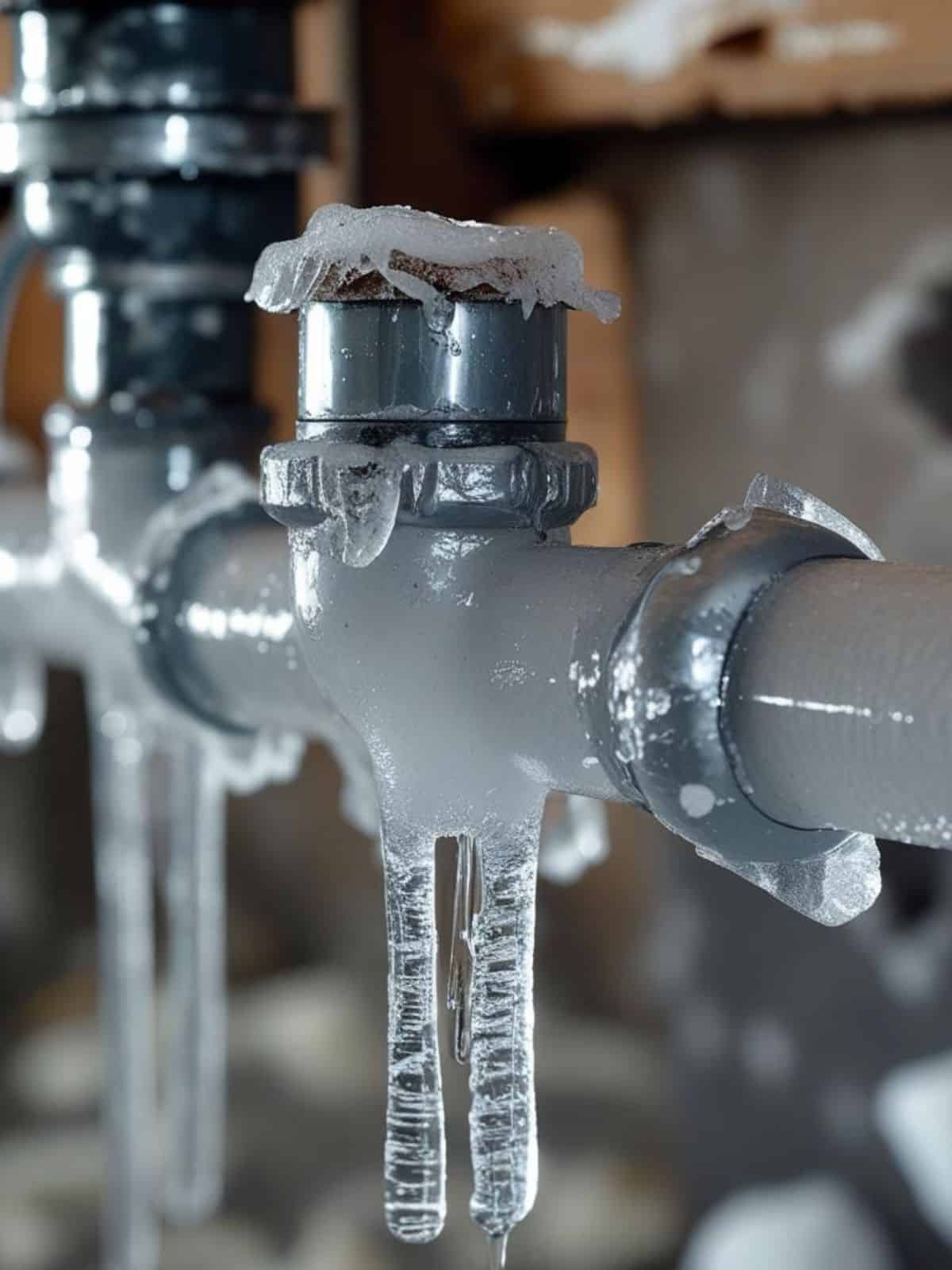
Frozen pipes.
And if you’ve ever dealt with a burst pipe, you know it’s not just inconvenient — it’s expensive, messy, and beyond stressful.
The good news? Most frozen pipe issues are completely preventable with a few simple steps. No plumber. No major renovations. Just smart prep before the temperatures really drop.
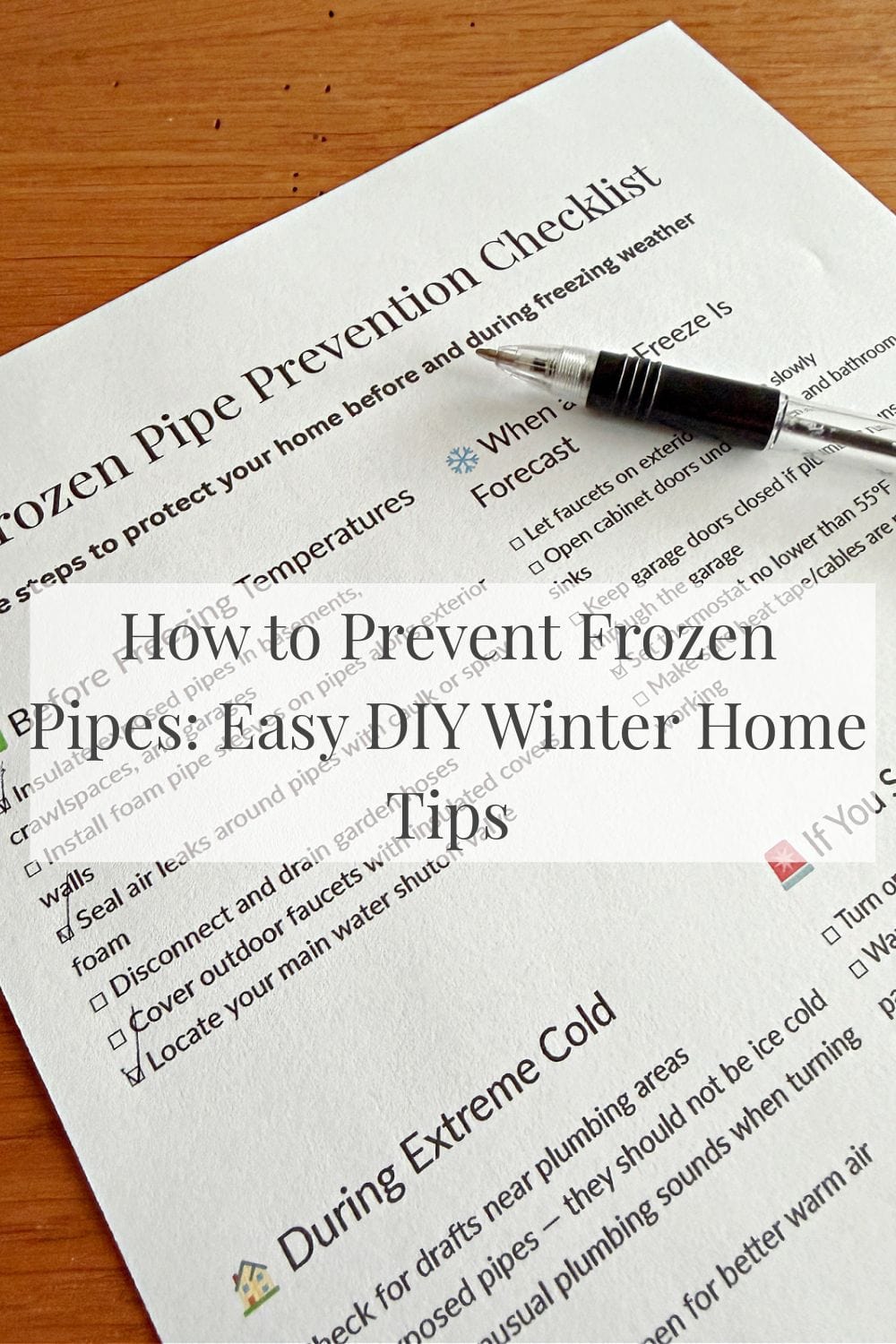
Today I’m sharing easy, realistic DIY ways to prevent frozen pipes, especially if you live in an older home (like we do), have plumbing on exterior walls, or deal with long stretches of below-freezing weather. I’m also sharing a free printable for you to have handy before a winter storm hits.
Let’s make sure your pipes survive winter in one piece.
Why Pipes Freeze (And When You’re Most at Risk)
Pipes freeze when water inside them is exposed to prolonged cold temperatures — typically around 20°F or lower for several hours.
But here’s the part many people miss:
It’s not just about how cold it gets outside… it’s about how much cold air reaches your plumbing.
You’re most at risk if you have:
- Pipes in exterior walls
- Plumbing in unheated crawlspaces, attics, or garages
- An older home with less insulation
- Drafts near sinks or pipe entry points
The goal here isn’t to turn your house into a sauna — it’s to keep cold air away from your pipes and help water keep moving when it needs to.
How to Prevent Frozen Pipes (DIY Fixes That Work)
These are practical, budget-friendly steps that make a big difference.
1. Insulate Exposed Pipes (The #1 Fix)
If your pipes are visible in a basement, crawlspace, or garage, insulation is your best friend.
Foam pipe sleeves are inexpensive and easy to install — you just slip them over the pipe and secure them. Focus first on:
- Pipes along exterior walls
- Pipes in unheated areas
- Pipes near foundation vents
Insulation slows heat loss and helps prevent freezing even when temps dip hard overnight.
Tip: Insulation helps, but it’s not a total fix. You still need to reduce cold air exposure too (more on that below).
2. Seal Air Leaks Near Plumbing
Cold air sneaks in through tiny gaps around:
- Pipes entering walls or floors
- Window frames
- Foundation sill plates
- Dryer vents and utility openings
Use caulk for small gaps and spray foam for larger openings. This step is huge because even insulated pipes can freeze if icy air is blowing directly on them.
Think of this as putting a winter coat on your pipes — and zipping it up.
3. Let Faucets Drip During Extreme Cold
When temperatures drop into the danger zone, let a faucet drip slightly — especially ones connected to pipes along exterior walls.
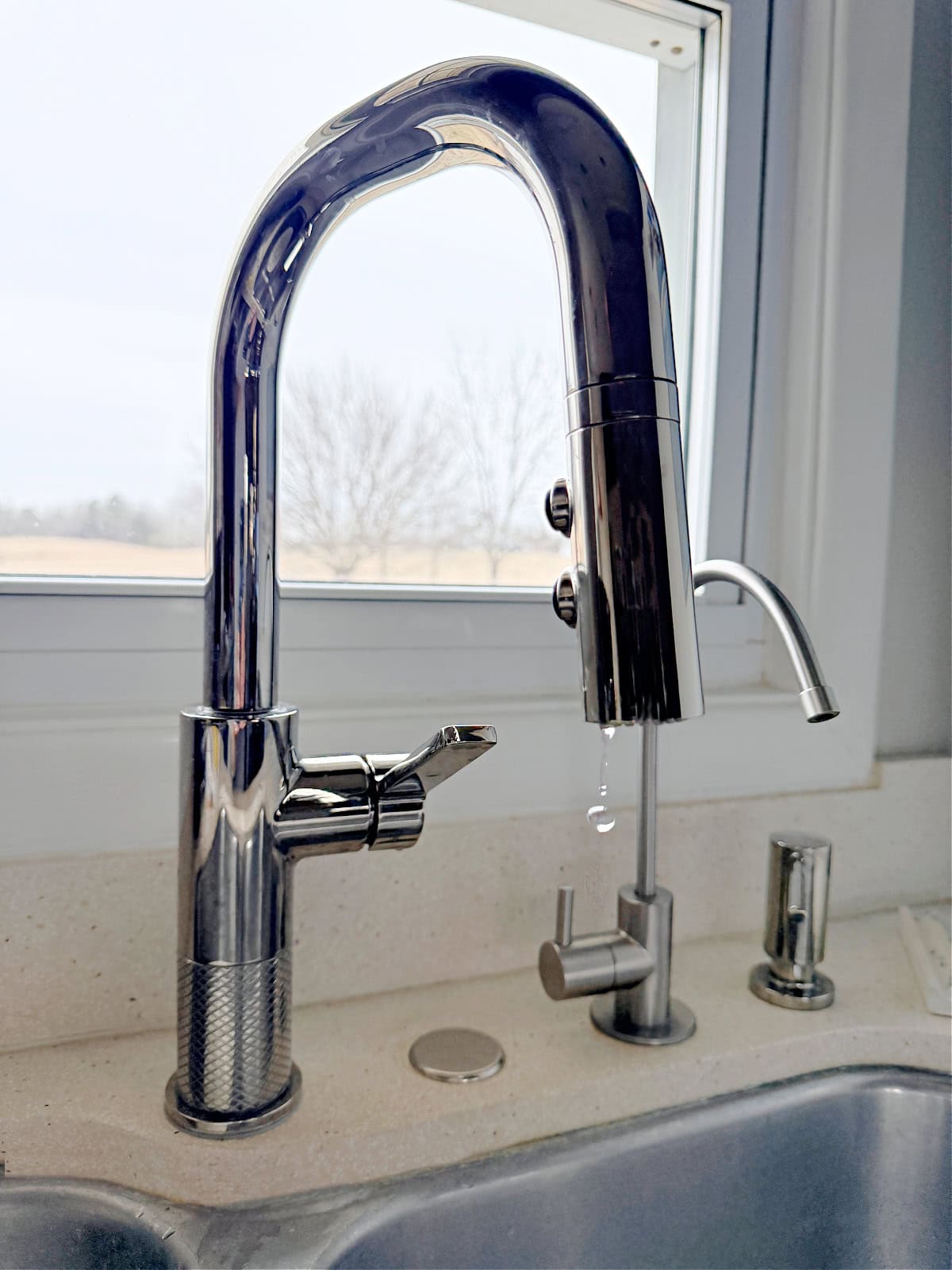
Moving water is much harder to freeze than standing water. A slow drip:
- Relieves pressure in the system
- Keeps water moving
- Reduces the chance of a burst if ice does form
You don’t need a full stream — just a small, steady drip will do.
4. Open Cabinet Doors on Cold Nights
This one is simple but surprisingly effective.
On especially cold nights, open the cabinet doors under kitchen and bathroom sinks. This lets warmer room air circulate around the pipes instead of trapping cold air inside the cabinet.
It’s really important if:
- The sink is on an exterior wall
- The room tends to run cooler
- You’ve had frozen pipes before
Just remember to move cleaners out of reach if you have littles or pets.
5. Use Heat Tape or Heat Cables (Safely)
For pipes that are especially vulnerable — like those in crawlspaces (like ours) or along garage ceilings — heat tape (also called heat cable) can provide extra protection.
These plug-in cables warm the pipe directly and are designed for freeze prevention.
Important safety tips:
- Use UL-listed products only
- Never overlap the cable
- Follow installation instructions carefully
Heat tape is great for problem areas where insulation alone isn’t enough.
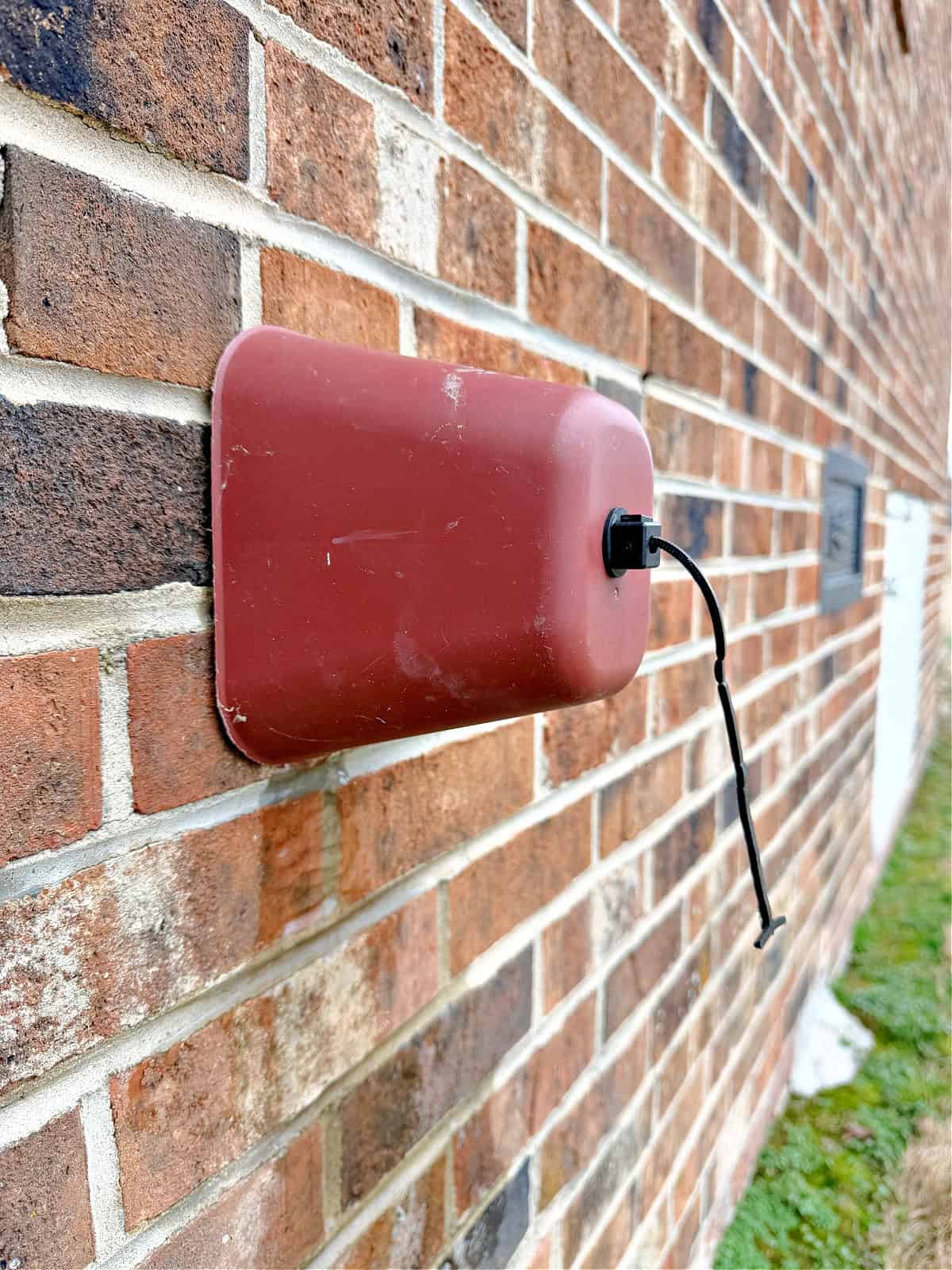
6. Protect Outdoor Faucets and Hose Bibs
Outdoor spigots are common freeze points.
Important things to do before freezing weather hits:
- Disconnect and drain garden hoses
- Install insulated faucet covers
- Shut off interior supply valves to outdoor faucets (if your home has them)
Leaving hoses attached traps water in the pipe and makes freezing much more likely.
7. Keep the Thermostat Consistent
I get it — heating bills aren’t fun. But cranking the thermostat way down at night during a cold snap can backfire.
Keeping your home at a consistent temperature (especially overnight) helps protect plumbing inside walls.
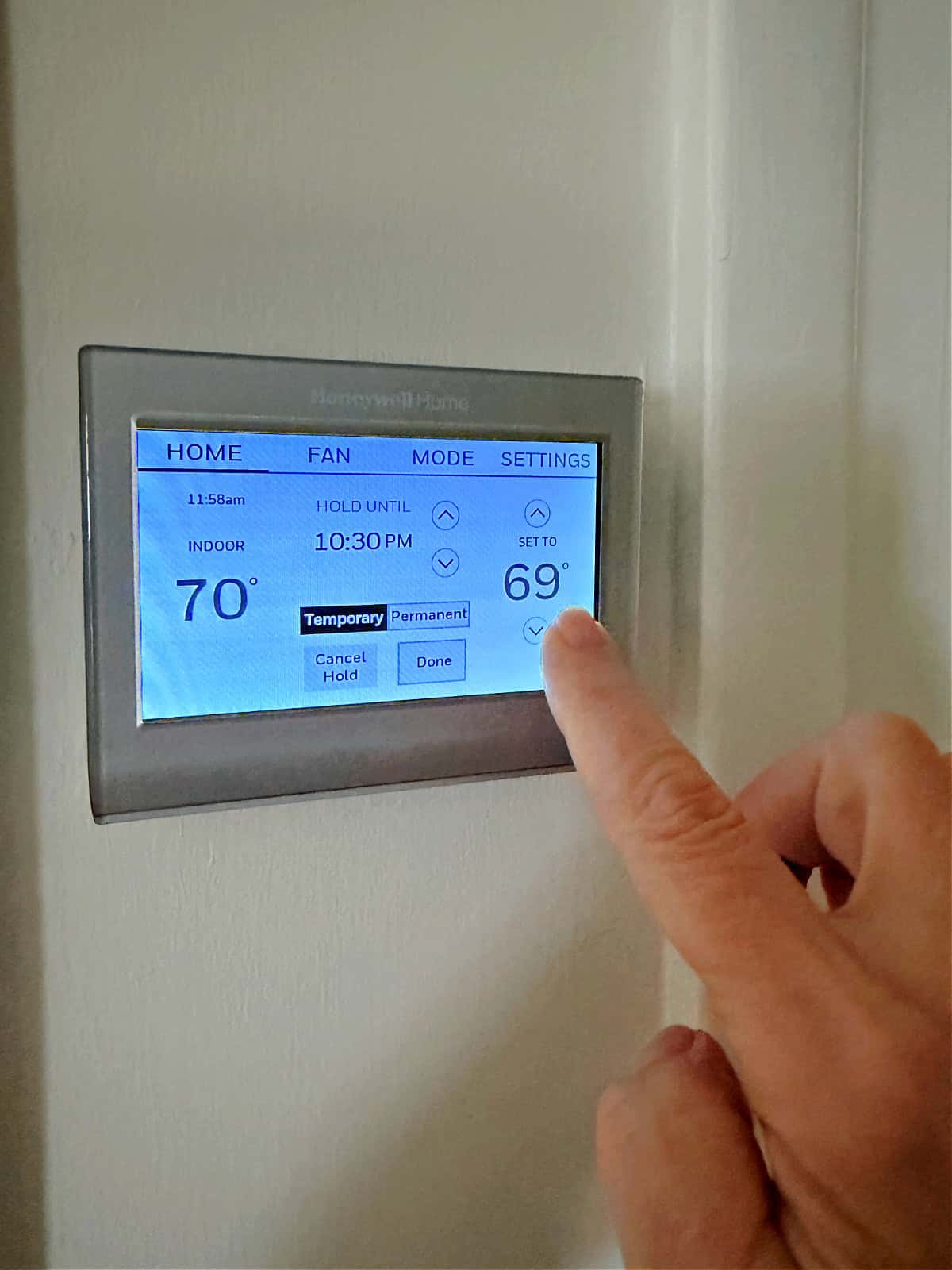
If you’re away from home, don’t turn the heat off. Set it no lower than 55°F to help prevent frozen pipes.
8. Prep Unheated Spaces
Garages, crawlspaces, and basements often get overlooked.
Before winter:
- Close foundation vents
- Add insulation where pipes run
- Seal gaps and cracks
- Keep garage doors closed as much as possible
You don’t have to fully heat these spaces — just reduce extreme cold exposure.
9. What to Do Right Before a Freeze
When a big freeze is in the forecast, here’s a quick last-minute checklist:
✔ Let faucets drip
✔ Open sink cabinet doors
✔ Confirm heat tape is plugged in and working
✔ Close garage doors
✔ Double-check outdoor faucets are covered
A few minutes of prep can save you thousands in repairs.
What to Do If a Pipe Freezes
Sometimes, even with prep, pipes can still freeze.
Signs include:
- No water or just a trickle from a faucet
- Frost visible on exposed pipes
- Strange smells from drains
If you suspect a frozen pipe:
Do:
- Keep the faucet open
- Use a hair dryer or heating pad to warm the pipe slowly
- Start warming near the faucet and work back
Don’t ever use an open flame
If a pipe bursts or you can’t locate the frozen section, it’s time to call a plumber.
Cold Weather Pipe Prevention Checklist
If you’re like me, it’s easy to forget half of this once the temperature drops and you’re in the middle of storm prep.
That’s why a simple printable winter home checklist can be so helpful — something you can keep in the utility room or save on your phone before a storm rolls in. You can print it for free, here.
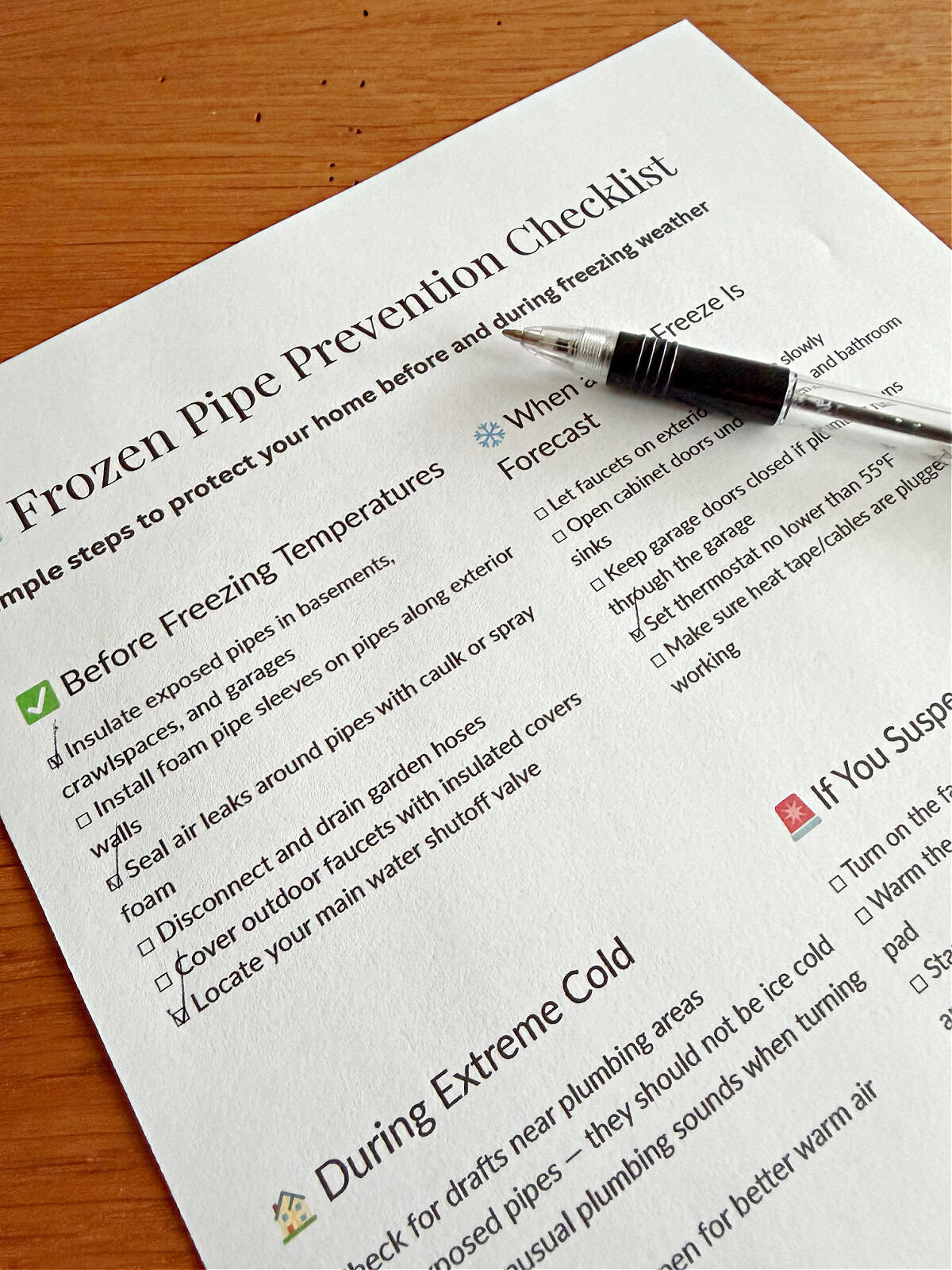
It’s all about making winter prep feel manageable instead of overwhelming.
Frozen pipes are one of those homeowner headaches that feel random — but they really aren’t. A little prevention goes a long way.
Just remember: the key is doing a few small things before the deep freeze hits:
- Insulate
- Seal drafts
- Keep water moving
- Let warm air reach your plumbing
None of it’s complicated. And every step you take lowers the risk of waking up to a plumbing disaster.
Stay warm, stay cozy, stay safe… and let’s keep those pipes flowing all winter long.